Loading
§ Vol. VIII · Notable figures
Notable figures.
Fourteen people whose names recur through any history of the Oregon Trail: missionaries, mountain men, road-builders, and Native leaders. Each entry has its own page covering what they did, why they matter, and how they died, with real dates and real places.
- MW1802-1847Read biographyPresbyterian missionary
Marcus Whitman
Proved wagons could finish the trail by helping to lead the 1843 Great Migration through to the Columbia.
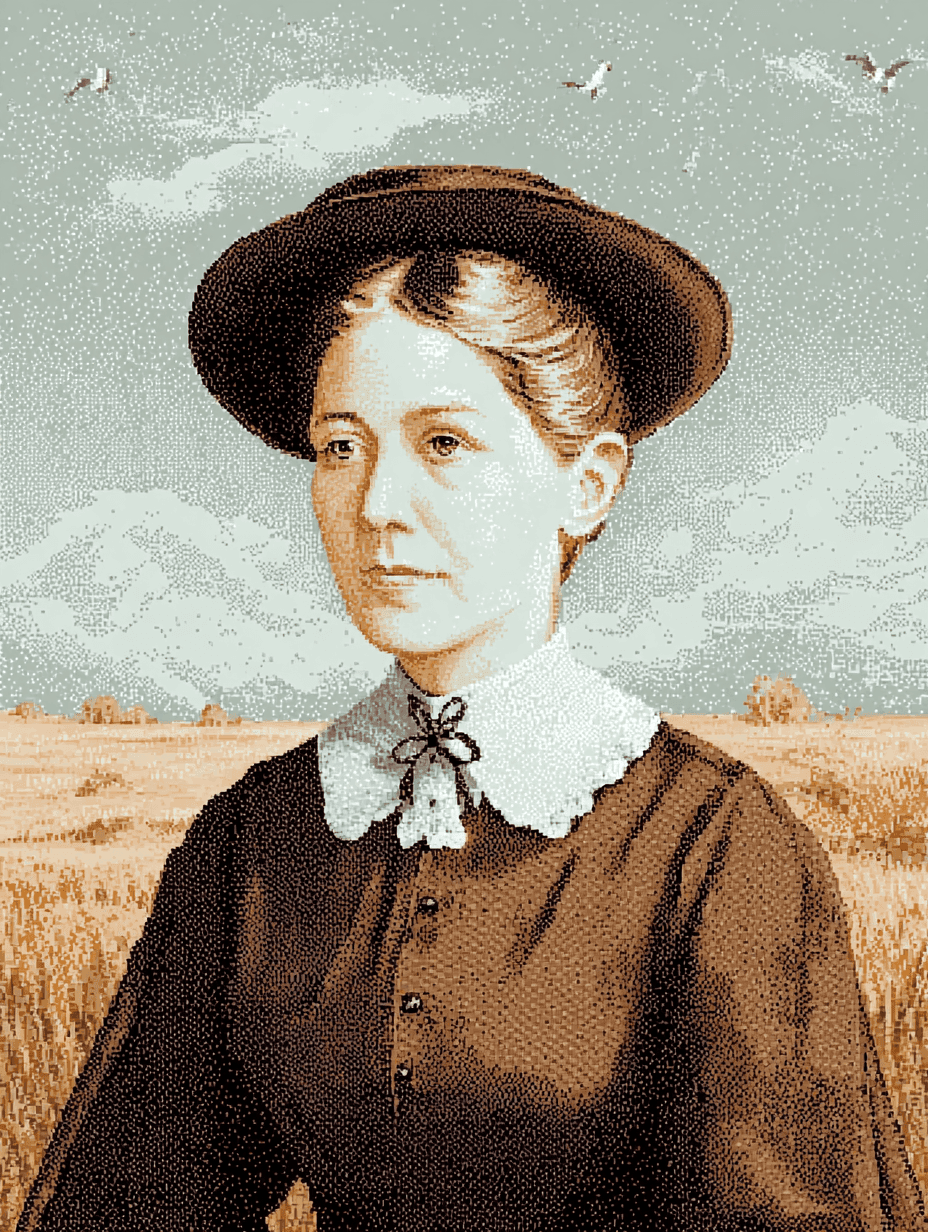 1808-1847Read biographyMissionary, diarist
Narcissa Whitman
Her 1836 crossing showed that women could make the trip, changing the public perception of who the trail was for.
- EH1807-1851Read biographyMissionary, linguist
Eliza Hart Spalding
First European-American woman, with Narcissa Whitman, to cross the Rockies overland. Produced the first printed material in the Nez Perce language.
- JB1804-1881Read biographyMountain man, fort founder
Jim Bridger
Built the supply post that anchored the trail's mountain section and guided countless emigrant parties and U.S. Army surveyors.
- RS1785-1848Read biographyAstorian, pathfinder
Robert Stuart
Documented the South Pass route on which the Oregon Trail would later be built.
- JB1819-1900Read biographyEmigrant, statesman
John Bidwell
Co-led the first organised wagon-train emigration to the Pacific, opening the route the masses would soon follow.
- JA1811-1888Read biographyEmigrant, memoirist, road-builder
Jesse Applegate
Wrote the trail's classic memoir, and opened the southern Applegate route into Oregon.
- SB1792-1867Read biographyRoad-builder
Sam Barlow
Built the toll road that finished the Oregon Trail by land, ending the era of dangerous Columbia rafting.
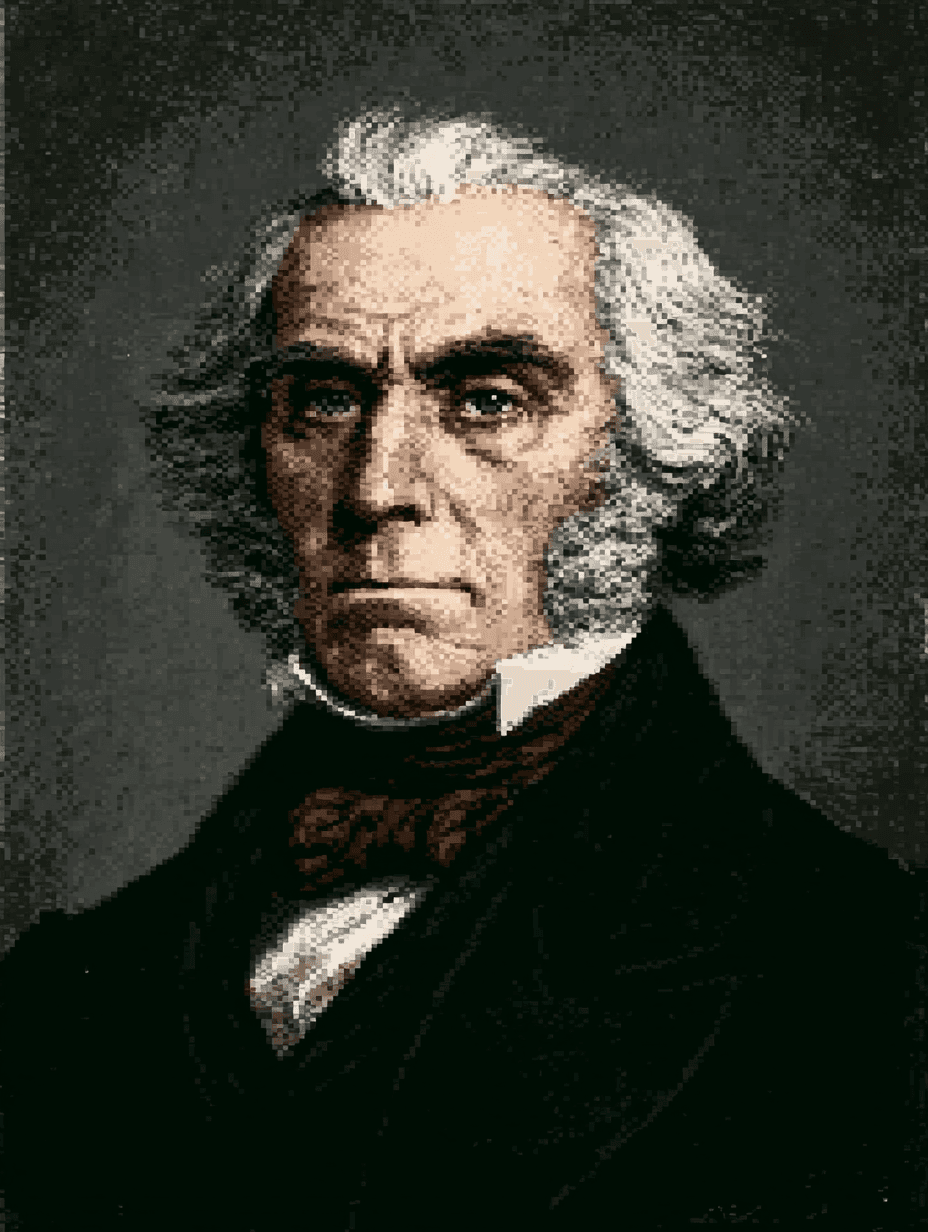 1784-1857Read biographyHBC chief factor
John McLoughlin
Kept countless emigrant families alive through their first Oregon winter with food and credit on personal authority.
- BY1801-1877Read biographyLDS leader
Brigham Young
Founded Salt Lake City and built the Mormon migration infrastructure (ferries on the North Platte and Green) that benefited every later wagon train.
- CWc. 1804-1900Read biographyEastern Shoshone leader
Chief Washakie
Kept emigrant traffic through South Pass largely peaceful and negotiated the Wind River Reservation that secured Eastern Shoshone homelands.
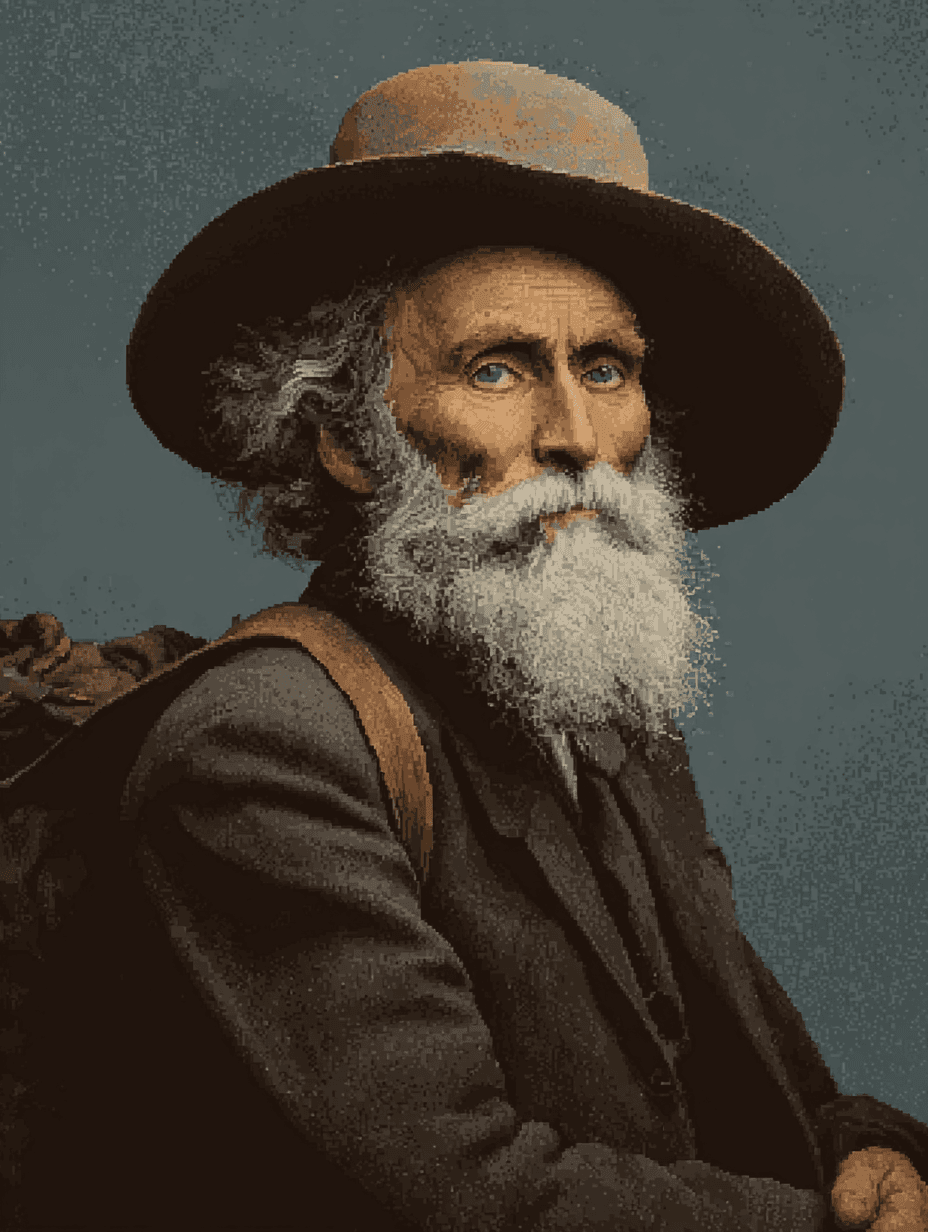 1830-1928Read biographyPioneer, preservationist
Ezra Meeker
Did more than anyone to start the modern preservation movement around the Oregon Trail, and many of his markers still stand.
- JC1813-1890Read biographyArmy officer, mapmaker, politician
John C. Frémont
Mapped the trail and published the guidebook a generation of emigrants carried with them.
- KC1809-1868Read biographyMountain man, scout, soldier
Kit Carson
Made Frémont's mapping work possible, opened parts of the California Trail, and was the country's most famous frontiersman by 1850.