Loading
§ Vol. VII · Native Nations
Native Nations.
The trail did not cross empty country. It crossed sovereign nations, the Pawnee, Lakota, Cheyenne, Shoshone, Ute, Cayuse, Nez Perce, Walla Walla, and Umatilla, each with its own history, its own response, and its own fate. Each entry has a dedicated page covering history, leaders, treaties, and where the nation lives today.
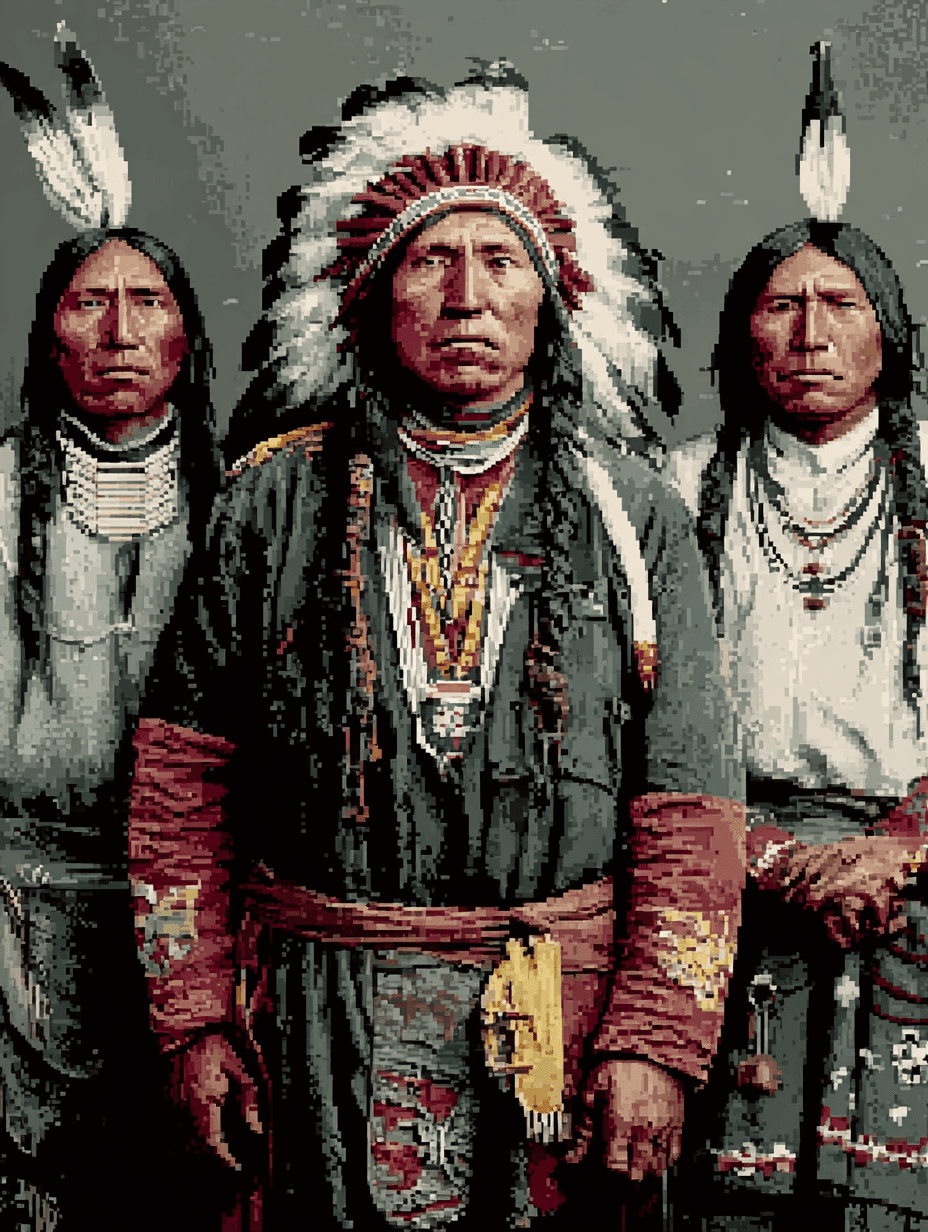 Central Nebraska · Platte RiverRead full entryCaddoan
Pawnee
Earth-lodge farmers and seasonal buffalo hunters whose villages dotted the lower Platte. The trail crossed the heart of their hunting grounds, and many Pawnee bands traded with emigrants and later scouted for the U.S. Army against the Lakota. Smallpox and Lakota raids together cut their population by more than three-quarters in the trail era.
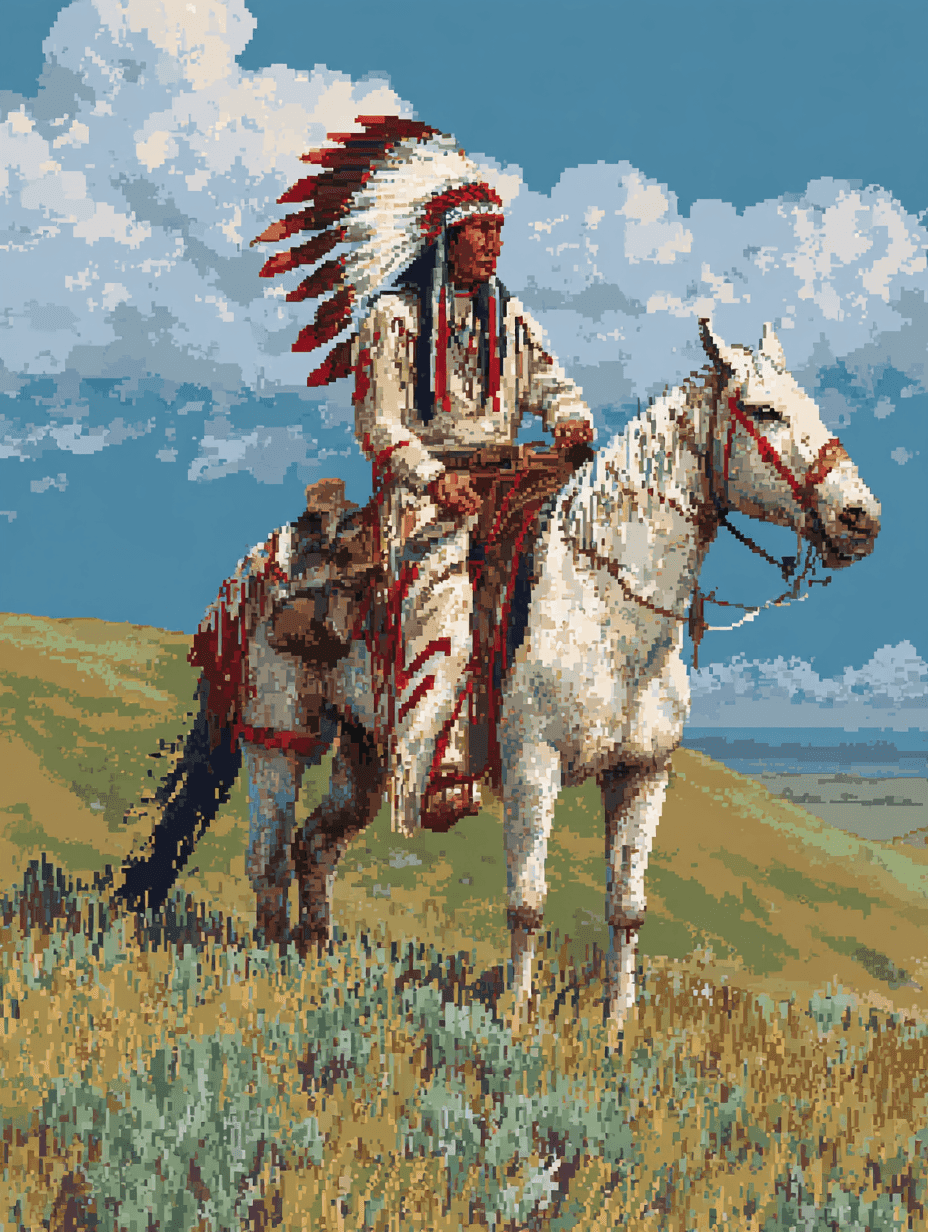 Western Plains · Black HillsRead full entrySiouan (Lakȟótiyapi)
Lakota (Sioux)
Powerful equestrian buffalo hunters who controlled the high plains north and west of Fort Laramie. The 1851 Treaty of Fort Laramie tried to formalise safe passage in exchange for annuities, and both sides soon accused the other of breaking it. The trail's pressure on the buffalo herds was a major driver of the conflict that followed.
- CHigh Plains · Powder River countryRead full entryAlgonquian (Tsėhésenėstsestȯtse)
Cheyenne
Plains horsemen and close allies of the Lakota and Arapaho. Encounters with emigrants ranged from peaceful trade to growing tension as wagon trains thinned the buffalo and cropped the grass. The Sand Creek Massacre of 1864 and subsequent wars are part of the trail era's later violence.
- SWyoming · Idaho · Great BasinRead full entryNumic (Newe Sogobia)
Shoshone
The 'Snake' people, whose lands included South Pass and the Snake River plain. The Eastern Shoshone, led by Chief Washakie, kept largely peaceful relations with emigrants and supplied guides through the divide. Western (Northern) Shoshone bands had a far harder time as the trail crossed their meager food country.
- UGreat Basin · Colorado plateauRead full entryNumic (Núuchiu)
Ute
Mountain and desert hunters whose lands lay south and west of South Pass. The Mormon Trail ran through Ute country toward the Salt Lake Valley. Relations were friendly at times and hostile at others, and they worsened sharply in the 1850s as Mormon settlement expanded.
- YColumbia Plateau · NE OregonRead full entrySahaptian / isolate (Liksiyu)
Cayuse
Renowned horse-breeders of the Columbia plateau. The 1847 measles epidemic killed roughly half the Cayuse children of the Walla Walla valley while sparing most settlers, and the attack on the Whitman Mission and the Cayuse War of 1847-55 that followed reshaped U.S. policy throughout the Northwest.
- NIdaho · Oregon · WashingtonRead full entrySahaptian (Niimíipuu)
Nez Perce
Salmon fishers, horse breeders, and bison hunters whose lands stretched from the Snake to the Bitterroot. They fed Lewis & Clark in 1805 as the expedition came starving out of the Bitterroot Mountains, and remained largely friendly to early emigrants. The 1877 war and the long retreat of Chief Joseph's band came after the trail era.
- WColumbia Plateau · NE OregonRead full entrySahaptian
Walla Walla & Umatilla
Closely related Sahaptin-speaking peoples who fished the Columbia and Walla Walla rivers and traded with the trade post at Fort Walla Walla. Many emigrants bought salmon and horses from them in the trail's last hard miles before The Dalles.